Many people pause when they hear the word solder spoken aloud. To many ears—especially in American English—it sounds like sodder. This mismatch between how the word looks and how it sounds leads to a very common question: is it solder or sodder? The confusion appears in classrooms, DIY projects, electronics manuals, hardware stores, and online searches.
People search for solder or sodder because English often breaks expectations. Learners are taught to “say what you see,” yet solder seems to break that rule. Spellcheck does not help much, teachers may mark one spelling wrong without explanation, and beginners in electronics may wonder if there are two correct spellings. Some even assume sodder is the American version and solder is the British one.
The truth is simpler—but also more interesting—than it appears. This article clears up the confusion step by step. You will get a clear answer first. Then you will learn where the word comes from, why pronunciation changed while spelling stayed the same, and how British and American English handle it differently. You will also see common mistakes, real-life examples, and usage tips. By the end, you will know exactly which spelling to use, how to pronounce it confidently, and why both forms exist in speech but not in writing.
Solder or Sodder – Quick Answer
Solder is the only correct spelling.
Sodder is not a real spelling.
- Correct: Use solder to join the wires.
- Incorrect: ❌ This is sodder wire.
Key Point
“Sodder” is a pronunciation, not a spelling.
If you write sodder, it is always considered incorrect in standard English.
learn more about: Dog or Bread: Which Word Is Correct and When we use?
The Origin of Solder or Sodder
The word solder has a long history. It comes from the Latin word solidare, meaning “to make solid.” From Latin, it passed into Old French as souder, and later entered English as solder.
Originally, the l sound was pronounced. In British English, that sound remained. Over time, however, American English dropped the l in speech. This kind of sound loss is common in English and is called phonetic simplification.
What makes solder confusing is that:
- The spelling stayed the same
- The pronunciation changed
So people hear “sodder” but see “solder” and assume there must be two spellings. There are not.
Why English Keeps Old Spellings
English spelling often preserves history rather than sound. Many words reflect older pronunciations that are no longer spoken.
Examples:
- walk (the “l” is silent)
- talk
- half
- calm
Solder follows the same pattern in American English. The spelling reflects its history, while pronunciation reflects modern usage.
British English vs American English: Spelling and Pronunciation
The spelling never changes, but pronunciation does.
| Version | Spelling | Pronunciation |
| British English | solder | sol-der |
| American English | solder | sod-der |
Important Rule
There is no spelling difference between British and American English. The difference exists only in speech.
Which Spelling Should You Use?
- US audience:
Write solder, pronounce it “sodder.” - UK/Commonwealth:
Write solder, pronounce it “sol-der.” - Global or technical writing:
Always write solder.
No matter how you pronounce it, never write sodder.
Is Solder a Noun or a Verb?
Solder can be used as both a noun and a verb.
- Noun:
The solder melted quickly. - Verb:
Please solder the loose joint.
This dual use adds to its importance in technical and instructional writing.
Common Mistakes with Solder or Sodder
❌ Writing “sodder wire”
✅ Always write solder wire
❌ Thinking sodder is American spelling
✅ It is only an American pronunciation
❌ Correcting spoken “sodder” as wrong
✅ It is normal and accepted in US speech
❌ Using both spellings in one document
✅ Use solder consistently
❌ Avoiding the word due to uncertainty
✅ Confidence comes from understanding the rule
Solder or Sodder in Everyday Examples
Email:
Please solder the loose connection before testing.
News:
Technicians soldered the circuit board during repairs.
Social Media:
Learning how to solder for my DIY project today.
Formal Writing:
Solder ensures a stable electrical connection.
Instruction Manual:
Heat the solder until it flows evenly.
In all cases, the spelling remains solder, regardless of pronunciation.
Solder or Sodder in Education and Work
This word often causes trouble in:
- School exams
- Technical training
- DIY tutorials
- Electronics documentation
Students may lose marks simply for writing sodder, even though they pronounce it that way naturally. Understanding the spelling rule prevents unnecessary mistakes.
Solder or Sodder – Search Trends and Usage
Search data shows steady interest in solder or sodder, especially among:
- Students
- DIY hobbyists
- Electronics beginners
Searches increase during:
- School terms
- Home repair seasons
- Technical training periods
Most users are not confused about meaning—they are confused about pronunciation versus spelling.
Solder vs Sodder: Side-by-Side Comparison
| Term | Status | Use Case |
| solder | correct | writing and speech |
| sodder | incorrect | spoken sound only |
This table sums up the rule clearly.
FAQs About Solder or Sodder
1. Is sodder ever correct?
No. It is never correct in writing.
2. Why do Americans say sodder?
The “l” sound dropped over time.
3. Do British speakers say sol-der?
Yes. They pronounce the “l.”
4. Is solder a technical word?
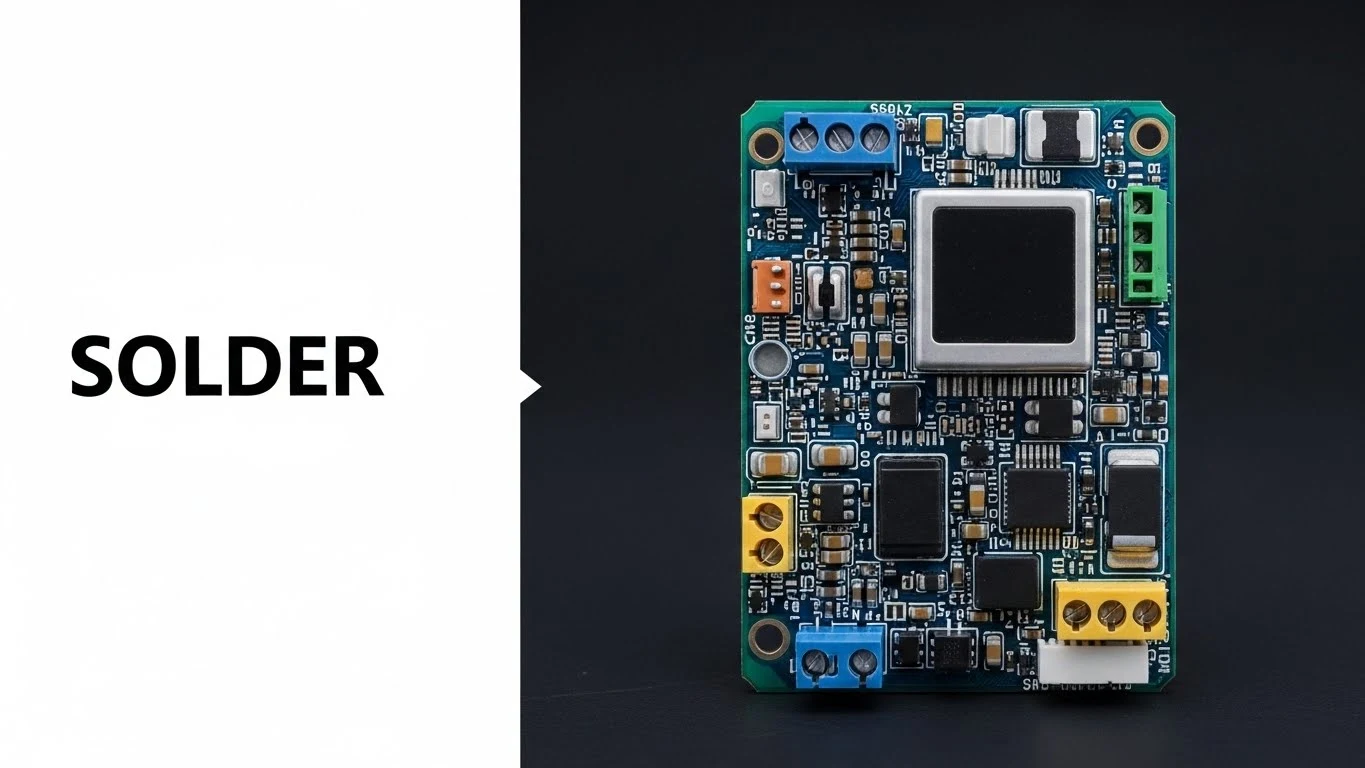
Yes, mainly used in electronics and metalwork.
5. Does spellcheck allow sodder?
Usually no.
6. Is this common in English?
Yes. Many words have silent letters.
7. Should I change how I pronounce it?
No. Regional pronunciation is fine.
Conclusion
The confusion between solder or sodder comes from pronunciation, not spelling. Solder is the only correct written form. Sodder is simply how many American speakers pronounce the word aloud. British speakers keep the “l” sound, but the spelling stays the same everywhere.
This mismatch often trips up learners, students, and beginners in technical fields. Once you understand that English spelling preserves history while pronunciation evolves, the problem disappears. Always write solder. Say it the way your region prefers.
With this simple rule, you can write confidently, speak naturally, and never doubt which form to use again.

I am Olga Tokarczuk, a Polish novelist and essayist whose work is widely studied for its rich vocabulary, precise language, and literary expression. My writings are often referenced in academic and linguistic contexts for their clarity of diction and thoughtful use of words. I am a prominent figure in modern world literature.