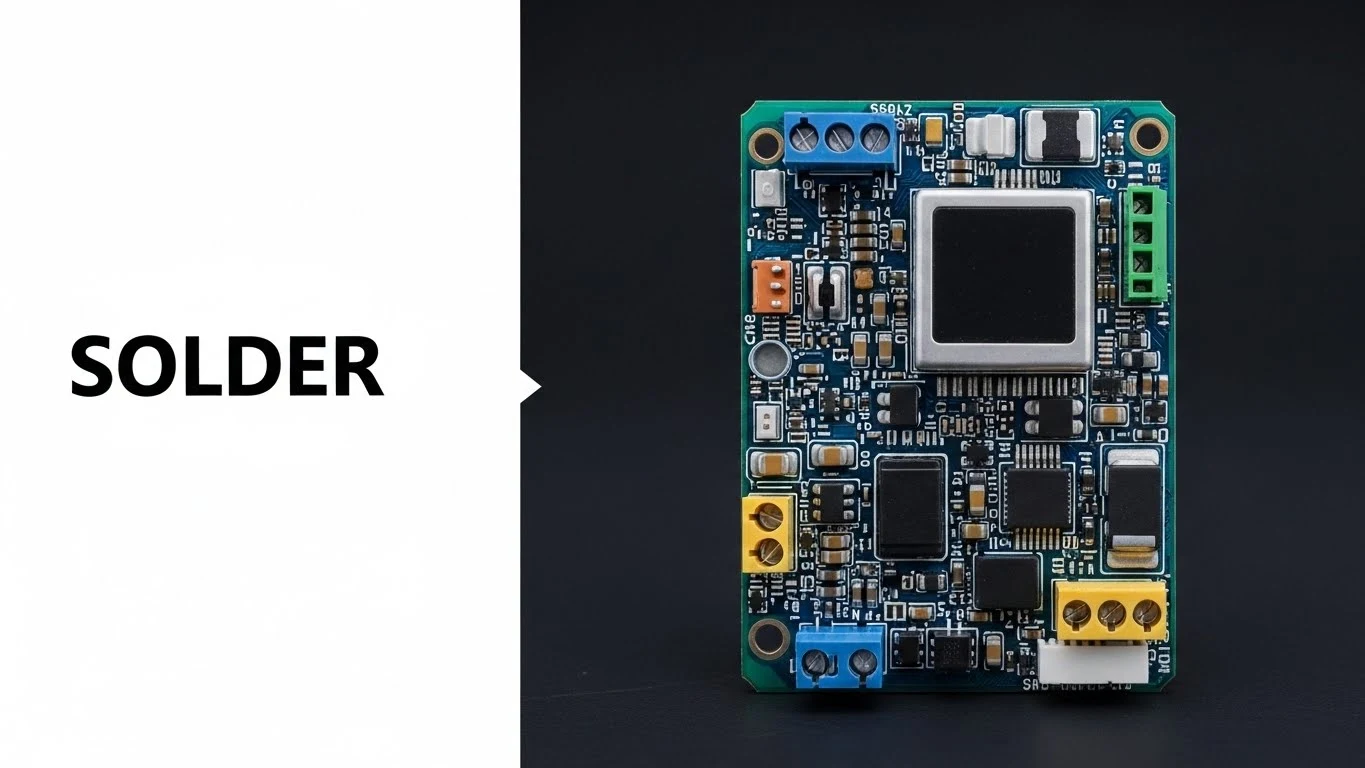
Solder is the correct spelling in both British and American English. Sodder is not a correct spelling; it is simply the way many Americans pronounce the word solder. Whether you pronounce the “l” sound or not, the word should always be written as solder.
Correct Example: The technician used solder to repair the circuit board.
Incorrect Example: The technician used sodder to repair the circuit board.
Simple Rule: Write solder everywhere. Pronunciation may vary, but spelling does not.
Solder or Sodder: Which One Is Correct?
Many people pause when they hear the word solder spoken aloud. In American English, it often sounds like sodder, while in British English the l is usually pronounced. This difference between spelling and pronunciation creates confusion for students, DIY hobbyists, electricians, engineers, and English learners.
The confusion becomes even stronger because both pronunciations are widely heard. Someone may watch a YouTube tutorial where an instructor says “soddering iron,” then see the product labeled as “soldering iron” in a store. Naturally, they wonder whether both spellings are acceptable.
English contains many words whose pronunciation changed over time while their spelling stayed the same. Solder is one of those words. People often search for solder or sodder because they want to know which form is correct, whether regional spelling differences exist, and how to use the word properly in writing.
This guide explains the correct spelling, pronunciation differences, word history, common mistakes, practical examples, and professional writing advice.
Solder or Sodder – Quick Answer
The answer is simple:
Solder = Correct spelling
Sodder = Pronunciation only, not a spelling
Examples
✅ Please solder the wires carefully.
✅ The solder melted quickly.
❌ Please sodder the wires carefully.
❌ This is sodder wire.
No matter where you live, always write solder.
The Origin of Solder or Sodder
The word solder comes from the Latin word solidare, which means “to make solid.” It later entered Old French as souder before becoming part of the English language.
Originally, the letter l was pronounced. British English largely preserved this pronunciation. Over time, many American speakers dropped the l sound during speech, creating the pronunciation “sodder.”
This change happened naturally as language evolved. Similar pronunciation changes appear in other English words where letters remain in spelling but disappear in speech.
Examples include:
- Walk
- Talk
- Half
- Calm
Like these words, solder kept its historical spelling even though pronunciation changed in some regions.
British English vs American English Spelling
The spelling remains identical in both versions of English.
| Version | Spelling | Common Pronunciation |
|---|---|---|
| British English | Solder | Sol-der |
| American English | Solder | Sod-der |
| Australian English | Solder | Usually Sol-der |
| Canadian English | Solder | Mixed usage |
Key Rule
There is no spelling difference between British and American English.
Only pronunciation changes.
Which Spelling Should You Use?
The answer depends on writing, not pronunciation.
US Audience
Write: solder
Pronunciation may sound like sodder.
UK Audience
Write: solder
Pronunciation usually includes the l sound.
Global Audience
Always use solder.
Professional documents, technical manuals, academic writing, and product descriptions all use the spelling solder.
Simple Rule
If you are writing, choose solder every time.
Never write sodder.
Common Mistakes with Solder or Sodder
Mistake 1: Writing Sodder
❌ I bought some sodder wire.
✅ I bought some solder wire.
Mistake 2: Thinking Sodder Is American Spelling
❌ Americans spell it sodder.
✅ Americans write solder but often pronounce it sodder.
Mistake 3: Correcting American Pronunciation
❌ Saying “sodder” is wrong.
✅ “Sodder” is a common American pronunciation.
Mistake 4: Using Both Forms in One Document
❌ solder / sodder
✅ solder
Consistency matters in professional writing.
Solder or Sodder in Everyday Examples
Emails
Please solder the loose connection before testing the device.
News
Technicians soldered damaged circuits during the repair process.
Social Media
Learning how to solder electronics this weekend.
Technical Manuals
Apply solder evenly across the joint.
Workplace Communication
The engineer used lead-free solder for the project.
Education
Students learn soldering techniques during electronics training.
In every situation, the spelling remains solder.
Solder or Sodder – Google Trends & Usage Data
Search interest for solder or sodder remains steady throughout the year. Most searches come from people learning electronics, DIY repair enthusiasts, engineering students, and English learners.
The majority of users search this phrase because they hear “sodder” in conversation but see “solder” in books, manuals, and online articles.
Countries with strong search interest include:
- United States
- United Kingdom
- Canada
- Australia
- India
In technical content, solder appears millions of times in electronics guides, engineering documents, product descriptions, and repair manuals. The spelling sodder appears mainly in discussions about pronunciation.
This shows that the confusion is caused by speech, not by spelling.
Solder vs Sodder Comparison Table
| Term | Correct? | Meaning | Usage |
|---|---|---|---|
| Solder | Yes | Metal alloy used to join materials; also the act of joining them | Writing and speech |
| Sodder | No | American pronunciation of solder | Speech only |
| Soldering | Yes | Process of joining materials using solder | Technical writing |
| Soddering | No | Misspelling based on pronunciation | Incorrect |
FAQs About Solder or Sodder
1. Is sodder a real word?
No. Sodder is not a standard English spelling. It is only a pronunciation used by many American speakers.
2. Why do Americans say sodder instead of solder?
Over time, the l sound became silent in American pronunciation. This type of sound change is common in English.
3. Do British speakers pronounce the l in solder?
Yes. Most British speakers pronounce solder as sol-der, including the l sound.
4. Is solder a noun or a verb?
Both.
Noun: The solder melted quickly.
Verb: Please solder the connection carefully.
5. Is solder used only in electronics?
No. Solder is also used in plumbing, jewelry making, metalworking, and various manufacturing industries.
6. Can I write sodder in informal writing?
No. Even in casual writing, the correct spelling is solder.
7. Does spellcheck recognize sodder?
Most spellcheck tools flag sodder as incorrect because it is not an accepted spelling.
Commonly Confused Terms Related to Solder
Many people also confuse these related words:
| Correct Word | Common Mistake |
|---|---|
| Solder | Sodder |
| Soldering | Soddering |
| Soldered | Soddered |
| Soldering Iron | Soddering Iron |
Remember that every form keeps the spelling solder.
Quick Memory Trick
Think of this simple rule:
You may hear “sodder,” but you should always write “solder.”
Or remember:
The L is often silent in speech, but never silent in spelling.
Conclusion
The difference between solder or sodder is much simpler than it first appears. Solder is the only correct spelling in English, whether you are writing an email, a technical manual, a school assignment, or a repair guide. Sodder is not an alternative spelling. It is simply the way many American English speakers pronounce the word.
This confusion exists because English often preserves historical spellings while pronunciation changes over time. British English usually keeps the l sound, while American English often drops it. Despite this difference in speech, both regions use exactly the same spelling.
Understanding this rule helps students, engineers, electricians , hobbyists, and writers avoid common mistakes. Whenever you see the word in professional or educational writing, it will always appear as solder. You can pronounce it according to your regional accent, but your spelling should never change.
The rule is easy to remember: write solder, speak it your way.
Learn more about related article:
22th or 22nd: Which One Is Correct? Grammar Guide (2026)

I am Olga Tokarczuk, a Polish novelist and essayist whose work is widely studied for its rich vocabulary, precise language, and literary expression. My writings are often referenced in academic and linguistic contexts for their clarity of diction and thoughtful use of words. I am a prominent figure in modern world literature.